
In today’s ai image tools quick-changing content scene, pictures play a big role. If you’re crafting a blog, shaping up social posts, or putting together an online class, striking visuals can shift the whole game. Here’s the upside – by 2026, AI-powered image apps have gotten stronger and easier to reach. We’ll guide you through 10 top-notch AI picture tools available at this moment, showing how each one upgrades your visuals bit by bit, using hands-on advice and everyday tricks. Once done, you’ll see which ones suit your process – and where they slot in.
Before checking out particular tools, it’s useful to understand which features really count. These are the main points:
Quality of ai image tools
The pictures need to come off as polished, sharp – without visible flaws. If the software’s not strong, new users ai photo filter might end up with stuff that feels fake or overdone.
Editing and flexibility
Besides creating images from words, solid apps allow tweaking, modifying, cutting out backdrops, boosting resolution, or changing details so they match how you want things to look.
Workflow integration
If you write stuff online – say, blogs or tweets – you’ll get more out of an image helper that slides right into how you work; no steep climb to figure it out. It’s gotta match your pace, whether you’re crafting posts or running ads.
Cost and licensing
Some tools come with no-cost options, while some need a paid plan. Always look into image usage rules – like ai image tools whether they’re okay for business or what rights apply – if you earn money from your work or run ads.
Ease of use
If the ai image sharpening tool’s overly complicated, you’ll waste energy wrestling its layout instead of building stuff. The sweet spot? Clean design but still powerful
extra features once you level up.
Here’s a look at ten solid options worth checking out – each brings something different to the table. Take one at a time, I’ll break down where they shine, what could trip you up, along with reasons you may go for them.
1. Adobe Firefly
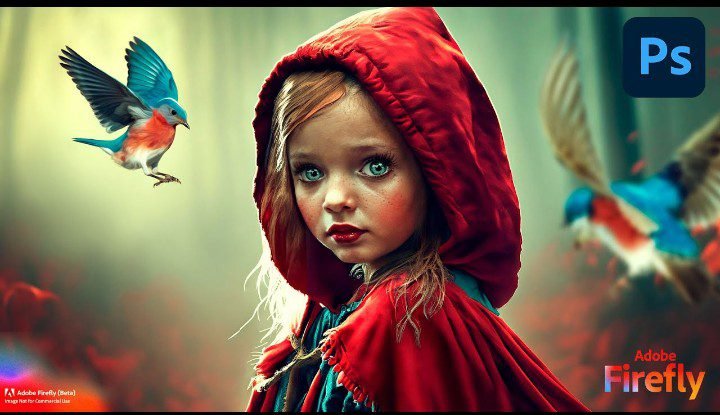
Firefly comes from Adobe Inc., linking smoothly into pro setups – like Photoshop – via Creative Cloud. Its training data is safe for commercial use, handy when your images are meant to make money.
Great if you’re a designer, marketer or creator using Adobe stuff – works smoothly together while keeping your brand safe.
pricier setup, tougher to master if you want all features, might not suit basic photo tasks.
when you’re using Adobe Creative Cloud, fire up Firefly to make a picture – after that, head into Photoshop to tweak it till your blog banner looks just right.
2. Leonardo AI
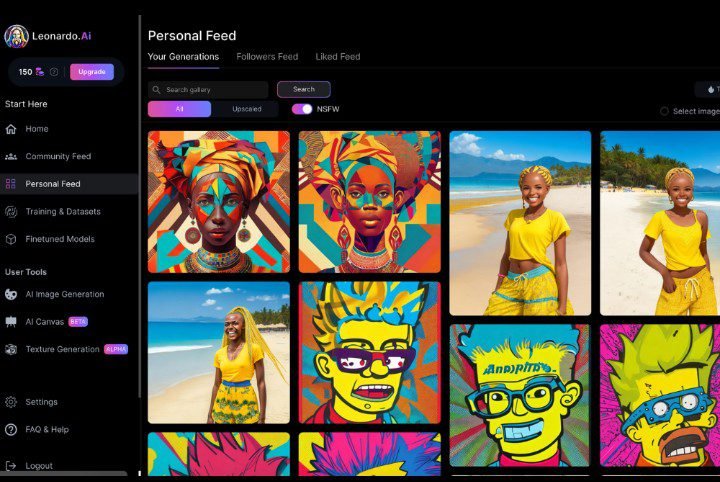
Leonardo AI works well for lots of tasks – like realistic images, drawings, or ads – because it uses tools built for each job.
Great if you’re someone who likes tweaking how things look, also need different kinds of images – say, fake product shots, imaginative drawings, or pics for posts.
Could need some knack for writing prompts; the no-cost version might have restrictions; make sure to verify if you can export or how it’s licensed.
Try picking “Quality” mode – when it’s an option – if you’re after sharp images for blog headers or book covers online.
3. Canva Magic Studio (AI image & design suite)
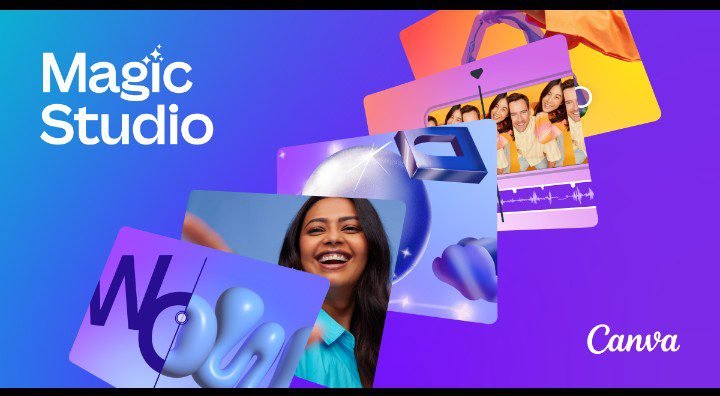
What makes it special: Canva’s Magic Studio mixes AI-powered visuals with easy-to-use formats – thanks to smart tools that fit neatly into one place.
Great for bloggers, or folks running tiny businesses – also ideal for people making stuff online who want fast visuals but aren’t into complex design work.
Could fall short compared to pro-level ai picture editor software; certain high-end functions only available if you pay.
when making lots of images for blogs or social media, try Canva’s built-in tool that creates pictures with AI image tools- after that, shape them to match your look using preset layouts.
4. Ideogram
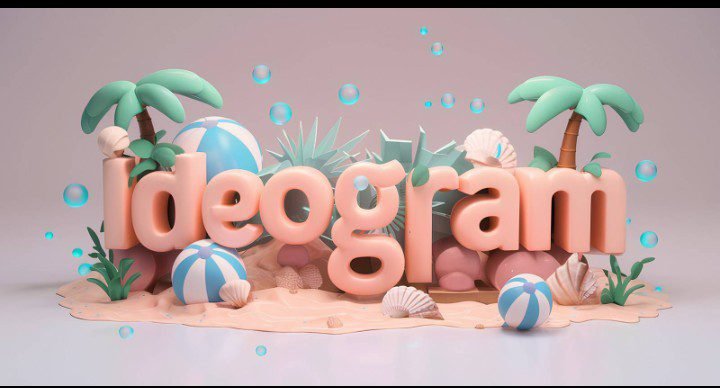
Ideogram’s really good at making pictures where the words are clear and easy to read – something a lot of ai art creator image apps can’t handle well.
Great at making images that include text – like posters, social media graphics, info charts or ads.
could lean away from super-realistic images, instead favoring a look closer to design art.
Try Ideogram if you want an image that includes a title right away – like best ai apps.
5. Midjourney
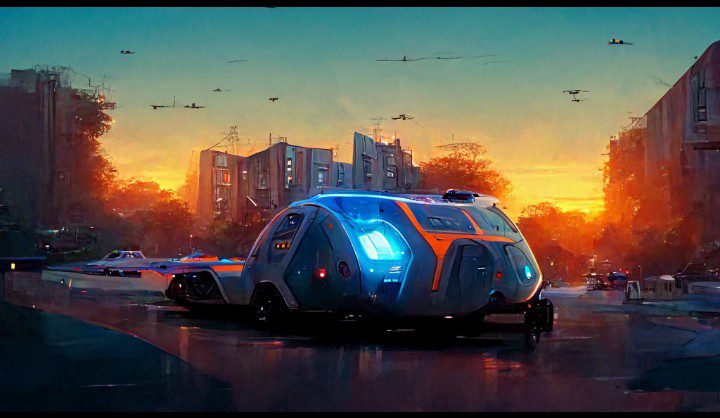
Midjourney’s famous for dreamy, movie-like looks – perfect if you need bold ideas or eye-catching pictures for your posts.
You’re after a bold look – something that feels real, not staged – maybe for a hero shot or banner meant to grab attention.
Could feel less handy when strict brand rules apply or visuals must align exactly with current material – besides, a paid plan might be needed.
Try Midjourney to get a cool picture – after that, tweak it or add words using Canva when necessary.
6. Nano Banana
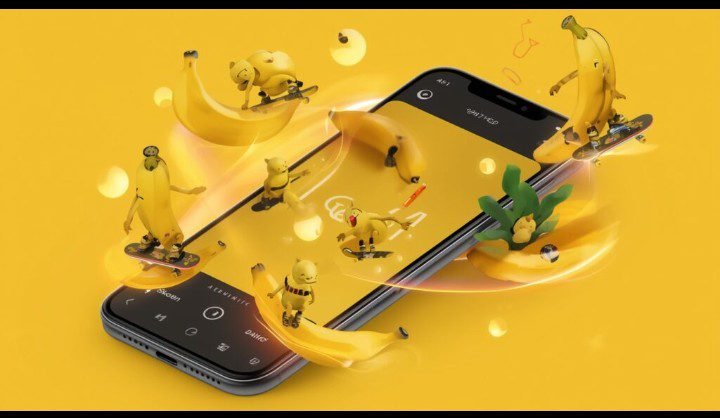
Nano Banana – one of Google DeepMind’s Gemini models – handles fine tweaks well, while keeping characters looking the same from one image to another.
You’ve got an idea or figure in mind, yet want several pics that match in look – say, for a string of blog graphics or updates on social media.
You might not get full access; it’s more about tweaking stuff than creating from scratch – also, displaying text could feel slower when stacked up against similar apps.
Try Nano Banana if you wanna tweak a current picture – swap the backdrop or toss in fresh bits – instead of building one outta nothing.
7. Recraft AI
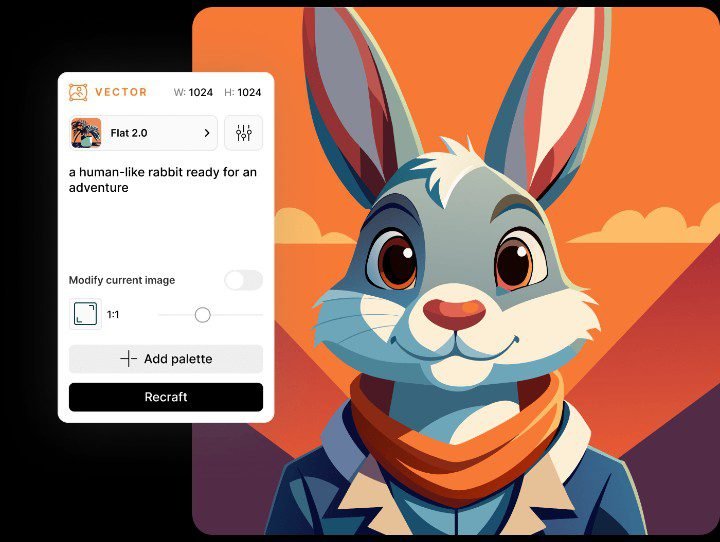
Recraft AI focuses on vector art, symbols, and resizable graphics instead of only pixel-based pictures. That works great for logos and consistent design setups.
Great if you’re building brands, logos, symbols – stuff that needs to work small or large, online or printed. While it shines with visuals meant to stretch across many uses.
Might not work well for lifelike visuals or photo-driven material – mostly built around design elements instead.
Try Recraft if you want matching visuals for different uses – like blogs or emails – that grow with your needs, because it keeps things looking uniform no matter where they show up.
8. Flux
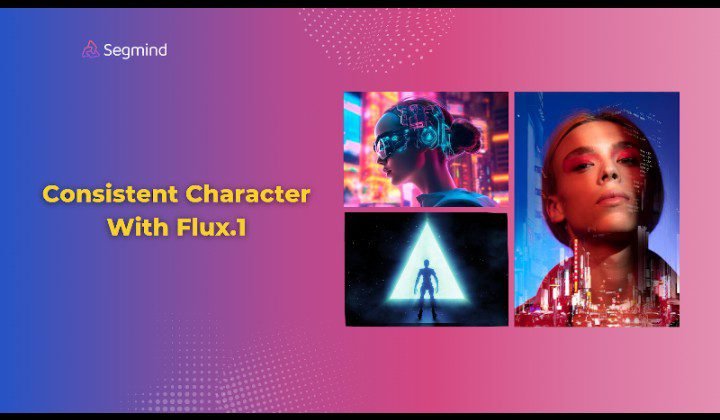
Flux gives off serious lifelike vibes while keeping the same artistic flow from one image to another – great when you’re building a campaign or rolling out connected visuals.
You’re creating images that should look alike – say, every cover pic for a blog run, or posts meant for Instagram stories.
could take extra work or practice – maybe not as easy to start using compared to broader tools.
Pick one look – like the lighting, colours, or vibe – then get Flux to run with it in different ways, so all your images feel like they belong together.
9. Topaz Photo AI
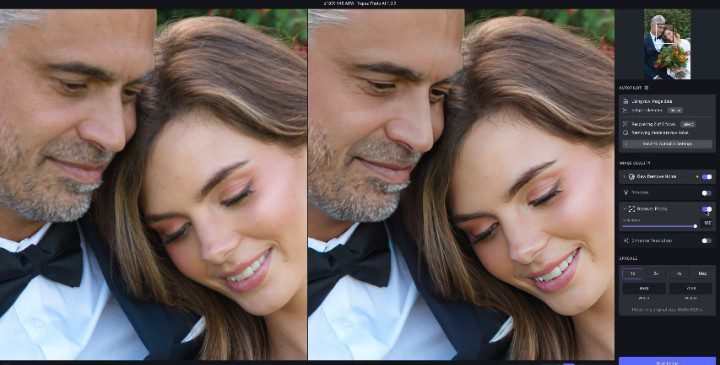
This tool’s different because it’s built for tweaking pictures instead of making new ones – fixes stuff like blurry spots, graininess, or low resolution by boosting image quality step by step.
You’ve got a picture you enjoy yet need sharper detail – say, for printing, big banners, or clear visuals on your site.
Focuses less on making fresh ai image enhancer, instead tweaks what’s already there; price could run steep.
Try Topaz Photo AI image tools if you’ve got a tiny picture yet want it big and sharp – say, for a wide banner on your blog.
10. ON1 Resize AI
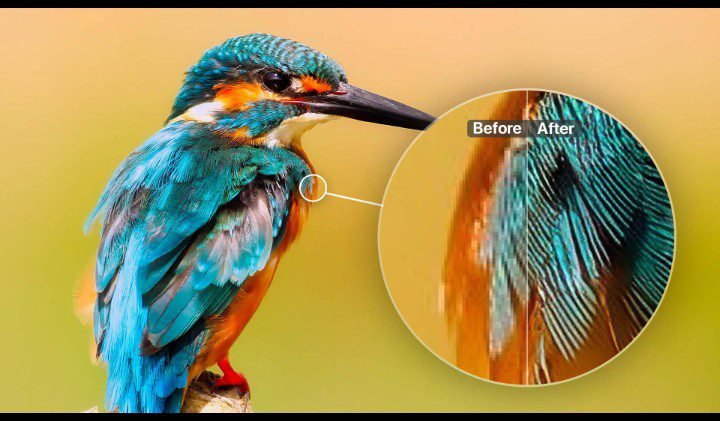
This tool grabs attention because it’s built to stretch pictures way bigger – like 10 times their size – without losing sharpness, which works great when you need big prints or bold graphics.
Great if you’re a blogger or creator needing big images now and then – like posters or sharp prints – not just stuff for screens.
Once more, it’s pretty specific – when your images are just meant for screens, the advantage might be minimal.
If you grab a small or no-cost pic and need it big – say, for a banner or spotlight shot – run it through ON1 to boost size while keeping clarity.
How to Choose the Right Tool for You
Since you’re crafting posts – plus probably designing images for websites, online platforms, or digital guides – here’s a no-fuss way to choose what to do next:
If you’re already into design tools like Adobe or Illustrator, try Adobe Firefly – or maybe Leonardo AI – if you want more hands-on power.
If you’re after fast, simple graphics without much effort – Canva Magic Studio’s probably the way to go.
If you’re after matching images – like for a blog run or brand vibe – try Flux or maybe Recraft AI.
If you’re always tweaking old pics or boosting sharpness – Topaz Photo AI or ON1 Resize AI can really help out.
If you often add words to pictures – like quotes or charts – you’ll want something built for it, maybe Ideogram.
If your goal’s unique, eye-catching images with an artistic touch – Midjourney brings bold flair.
If you’ve got something already but need tweaks or new versions, Nano Banana lets you adjust it easily – so things stay smooth without starting over.
Workflow Tips to Maximise Results
Check out these down-to-earth ideas to make better use of the ai image tools:
Describe things clearly when you prompt. Focus on the main object, where it is, how it feels, what it looks like, and how it’s lit – like “a flat layout of a desk with a notebook, mug, early sun glow, gentle shade.” Use details that paint a picture.
Stick to your brand’s look. When picking colors or fonts, bring them into the design – some apps let you add a sample or choose a color set.
Try different ways. Make several tries, then choose the one that works best. Tiny tweaks to your request can totally change the result.
Start from what’s there instead of fresh. Loads of apps let you adjust stuff – swap the backdrop, shift items around, fix the brightness. Cuts down on effort.
Look up the license rules. If your stuff makes money – say through AdSense or affiliate links – confirm the tool lets you use its results for business.
Think about how big files are and what type they come in. When it’s a blog, go for medium-sharp pics – say 1200 to 2000 pixels across – to balance speed and look.
Mind how well it works plus what it costs. Certain apps charge extra for sharp images or saving files. Test basic versions early – see what matches your goals.
Conclusion
By 2026, image-making apps powered by AI give you tons of options – crafting pictures from scratch, mixing designs, building brand graphics, tweaking photos sharply, or boosting quality smoothly. Since you write content, you can use these handy helpers to make your visuals pop, cut down effort, and grab more eyes online. Just keep this in mind – not every tool fits; pick what works best for your goals, how much you know, and how you get things done.
Right now’s a great time to try one or maybe two of these tools – test them out on your upcoming post or graphic, then check how quick and clean things turn out. Hit me up if you wanna talk about what you picked, what came together, or where it got tricky; I’m happy to pitch in and tweak stuff with you.
FAQ
Are AI‑generated images safe to use with AdSense and monetised blogs?
Yep, just make sure you look up the license rules first – pick software that lets you use pictures for business stuff, but keep things fresh and legal. Don’t copy protected logos or art unless you’ve got a green light from the owner.
Can I use these ai image tools if I’m not a designer?
Yep. Most tools mentioned – like Canva Magic Studio – are made for folks without design experience. With easy layouts, ready-made designs, or smart tech doing tasks, they let you work smoothly even if you’re new to this.
What’s the difference when picking making something new” versus changing a picture you already have?
When there’s no picture ready, kick things off by turning words into visuals – try apps such as Leonardo AI, Canva, or Midjourney. On the flip side, if you’ve got a photo that’s close but needs work – like wiping out the backdrop, boosting sharpness, or tweaking brightness – go for editors built for upgrades, say Topaz Photo AI or ON1 Resize AI.